
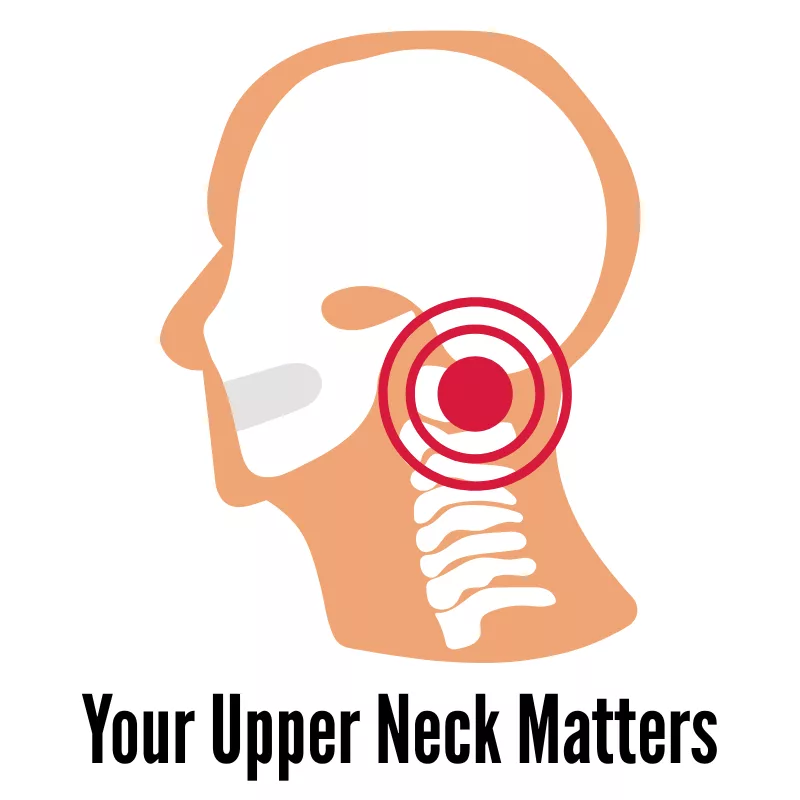
Why the Upper Neck Matters More Than You Think
Dr. Jon Saunders, B.Kin., D.C. | Updated April 2026
Most people don’t think much about their upper neck — until something feels off.
You might notice:
- tension at the base of the skull
- recurring headaches
- dizziness or imbalance
- tightness in the shoulders
- posture that feels harder to correct
At first, these symptoms don’t always seem connected. But in many cases, they can be linked to how the upper neck is functioning.
🎥 Watch: Upper Neck
It’s a Small Area That Handles a Big Job
The upper part of your neck is responsible for:
- supporting the weight of your head
- allowing smooth head movement
- helping coordinate balance and position
When this area is moving well, you don’t notice it. When it’s not, symptoms can show up in different ways.
How the Upper Neck Can Affect How You Feel
1. It Can Contribute to Dizziness or Feeling “Off”
Many people with neck-related dizziness describe:
- feeling unsteady
- lightheaded
- worse with movement or position changes
This is explored further in our Cervicogenic Dizziness page
2. It Can Drive Headaches
Tension in the upper neck is commonly linked to:
- headaches starting at the base of the skull
- pressure that moves toward the head
- recurring or persistent head pain
3. It Influences Posture More Than You Think
When the upper neck shifts forward:
- the head moves forward
- the rest of the spine compensates
- muscles in the neck and shoulders overwork
4. It Can Create Ongoing Muscle Tension
The upper neck is closely connected to:
- upper traps
- shoulder muscles
- surrounding stabilizers
This can lead to:
- tightness
- fatigue
- a constant “heavy” feeling
Why Problems in This Area Are Often Missed
Many people are told:
- imaging is “normal”
- nothing serious is wrong
- just rest or stretch
But they still feel:
- off
- tight
- symptomatic
This is where function — not just structure — matters.
A More Precise Approach to the Upper Neck
Instead of using a broad approach, upper cervical care focuses on:
- precision
- gentle correction
- careful positioning
If you want to understand how this is assessed and treated, visit our Upper Cervical Chiropractic page.
Who Should Consider Having Their Upper Neck Checked?
You may benefit from an assessment if you have:
- recurring headaches
- dizziness or imbalance
- persistent neck tension
- postural strain
- a history of whiplash or concussion
- vagus nerve issues
- fogginess or head fullness
When to Take the Next Step
You don’t need to wait until symptoms become severe.
If something feels:
- persistent
- recurring
- or unresolved
it’s worth getting it properly assessed.
Upper Cervical Care in Newmarket
At Chiropractic on Eagle, we help patients in:
- Newmarket
- Aurora
- East Gwillimbury
- Bradford
better understand how their neck — especially the upper neck — may be contributing to their symptoms.
Final Thoughts
The upper neck doesn’t usually get much attention…but it plays a bigger role than most people realize.
When it’s working well, things feel normal.
When it’s not, symptoms can show up in ways that don’t always seem obvious.
Wondering If Your Upper Neck Could Be Contributing?
A proper assessment can help determine whether this area is playing a role in your symptoms.
Frequently Asked Questions
Chiropractic on Eagle
2:30 – 5:30 PM
2:30 – 6:00 PMTuesday 7:30 – 10:45 AM
2:30 – 5:30 PMWednesday 2:30 – 6:00 PMThursday 7:30 – 10:45 AM
2:30 – 5:30 PMFriday ClosedSaturday ClosedSunday Closed