
Pain Between Shoulder Blades: What Usually Causes It?
Dr. Jon Saunders, B.Kin., D.C. | Updated April 2026
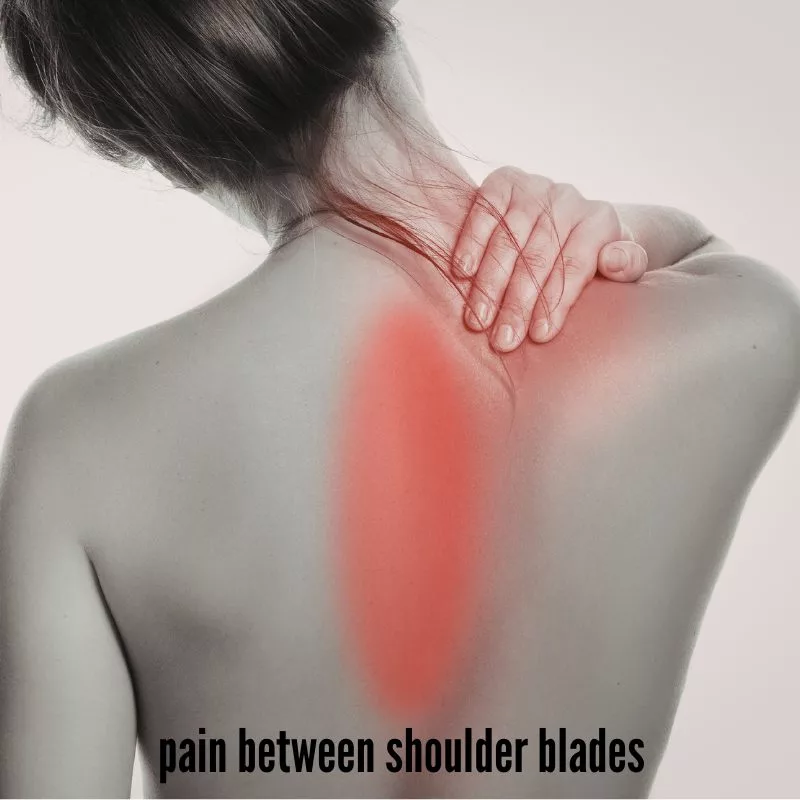
Pain between the shoulder blades is a very common complaint — and it can be surprisingly frustrating.
For some people, it feels like:
- a dull ache
- a burning pain
- tightness or stiffness
- a “knot” that never fully goes away
- or discomfort that gets worse with sitting, computer work, driving, lifting, or stress
At our Newmarket chiropractic clinic, this is something we see often.
The good news is that pain between the shoulder blades is usually mechanical — meaning it often relates to posture, muscle tension, spinal stiffness, movement overload, or irritation coming from the neck and upper back.
Where Does Pain Between the Shoulder Blades Usually Come From?
The area between the shoulder blades is influenced by several structures, including:
- the thoracic spine (mid-back)
- the neck and upper cervical spine
- the shoulder blades and surrounding muscles
- the ribs and rib joints
- and the way your body handles posture and movement throughout the day
That means pain in this area can have more than one contributing factor.
In many cases, it is not a single “injury,” but a combination of:
- stiffness
- overload
- poor posture
- muscle guarding
- and repeated mechanical stress
Common Causes of Pain Between the Shoulder Blades
1. Poor Posture and Prolonged Sitting
This is one of the most common reasons people develop pain between the shoulder blades.
Long hours spent:
- at a computer
- looking down at a phone
- driving
- or sitting with the shoulders rounded forward
can place repeated stress on the muscles and joints of the upper back.
Over time, this may lead to:
- thoracic stiffness
- shoulder blade tension
- upper trap tightness
- and the familiar “knot” feeling many people describe
If posture is a major factor for you, our Forward Head Posture page may also be helpful.
2. Thoracic Spine Stiffness
The mid-back (thoracic spine) is designed to rotate and extend, but many people lose mobility in this area over time.
When the thoracic spine becomes stiff, the body often compensates through the:
- neck
- shoulders
- shoulder blades
- and low back
This can create tension and discomfort between the shoulder blades — especially with sitting, twisting, lifting, or exercise.
3. Muscle Tension and Stress
Stress often shows up physically in the upper body.
A lot of people carry tension through the:
- upper traps
- rhomboids
- levator scapulae
- neck
- and shoulder blade muscles
That can create:
- tightness
- burning discomfort
- stiffness
- or the sense that the muscles are always “working too hard”
If that sounds familiar, our Stress-Related Tension page may also help.
4. Pain Referred from the Neck
Sometimes pain between the shoulder blades is not just coming from the mid-back.
It may actually be related to irritation or dysfunction higher up in the neck.
This is especially common when upper back pain occurs alongside:
- neck stiffness
- headaches
- upper trap tightness
- tingling into the arm
- or pain that seems to move around
In some cases, the neck can refer pain into the upper back and shoulder blade region.
If you also have neck symptoms, visit our Neck Pain page.
5. Sports, Lifting, or Gym-Related Strain
Pain between the shoulder blades can also come from physical overload.
This is common after:
- lifting weights
- rowing or pulling movements
- hockey
- golf
- tennis
- running posture fatigue
- repetitive upper-body training
- or heavy physical work
Sometimes the issue is a clear strain. Other times, it is a movement or loading problem that gradually builds up over time.
If your symptoms are activity-related, our Sports Injuries page may also be helpful.
What Does Pain Between the Shoulder Blades Feel Like?
People describe this symptom in different ways, including:
- dull aching
- burning pain
- a sharp pinch with certain movements
- a “knot” or tight spot
- pain with deep breathing or twisting
- stiffness after sitting
- soreness after workouts or physical activity
- discomfort that seems to sit between or under the shoulder blades
These symptoms are often mechanical, but persistent or unusual pain should always be properly assessed.
When Should You Get It Checked?
Pain between the shoulder blades is often manageable, but it is worth getting assessed if it:
- keeps returning
- is affecting your work, sleep, or workouts
- is associated with neck pain or headaches
- causes tingling, numbness, or arm symptoms
- feels worse with movement or posture
- or is simply not improving over time
The sooner you understand what is driving it, the easier it is to address the right thing.
How Chiropractic Care May Help
Chiropractic care for pain between the shoulder blades is focused on improving how the area moves and functions.
Depending on the cause, treatment may focus on:
- thoracic mobility
- posture
- neck and upper back mechanics
- muscle tension
- shoulder blade function
- and movement habits that may be overloading the area
Care may include:
- chiropractic adjustments
- gentle spinal mobilization
- soft tissue and muscle release
- posture correction strategies
- mobility and strengthening exercises
- movement-based recovery guidance
The goal is to help reduce the mechanical stress contributing to the problem.
Pain Between Shoulder Blades in Newmarket
At Chiropractic on Eagle, we help patients in Newmarket, Aurora, East Gwillimbury, Bradford, and surrounding areas better understand and manage upper back pain, shoulder blade tension, posture-related strain, and spinal stiffness.
If your pain between the shoulder blades keeps coming back, it may be worth finding out what is really driving it.
Final Thoughts
Pain between the shoulder blades is often not random.
In many cases, it is a sign that the:
- neck
- thoracic spine
- posture
- muscle balance
- or movement habits
need some attention.
If the problem keeps returning, it usually means the body is trying to tell you something.
Dealing with Pain Between Your Shoulder Blades?
A proper assessment can help determine whether the issue is coming from posture, the neck, the thoracic spine, or movement overload.
Chiropractic on Eagle
2:30 – 6:00 PM
2:30 – 6:00 PMTuesday 7:30 – 10:45 AM
2:30 – 5:30 PMWednesday 2:30 – 6:00 PMThursday 7:30 – 10:45 AM
2:30 – 5:30 PMFriday ClosedSaturday ClosedSunday Closed